
Retainers: A Crucial Step in Your Orthodontic Journey
MY blogIn addition to their role in maintaining alignment, retainers can also help in preventing complications that can arise from improperly aligned teeth. For example, misaligned teeth can lead to issues with chewing, speaking, and even breathing. If left unaddressed, these misalignments could result in further dental problems, such as excessive wear on certain teeth, jaw pain, or temporomandibular joint (TMJ) disorders. A retainer helps to ensure that the corrected alignment is preserved, allowing for more comfortable and efficient functioning of the mouth.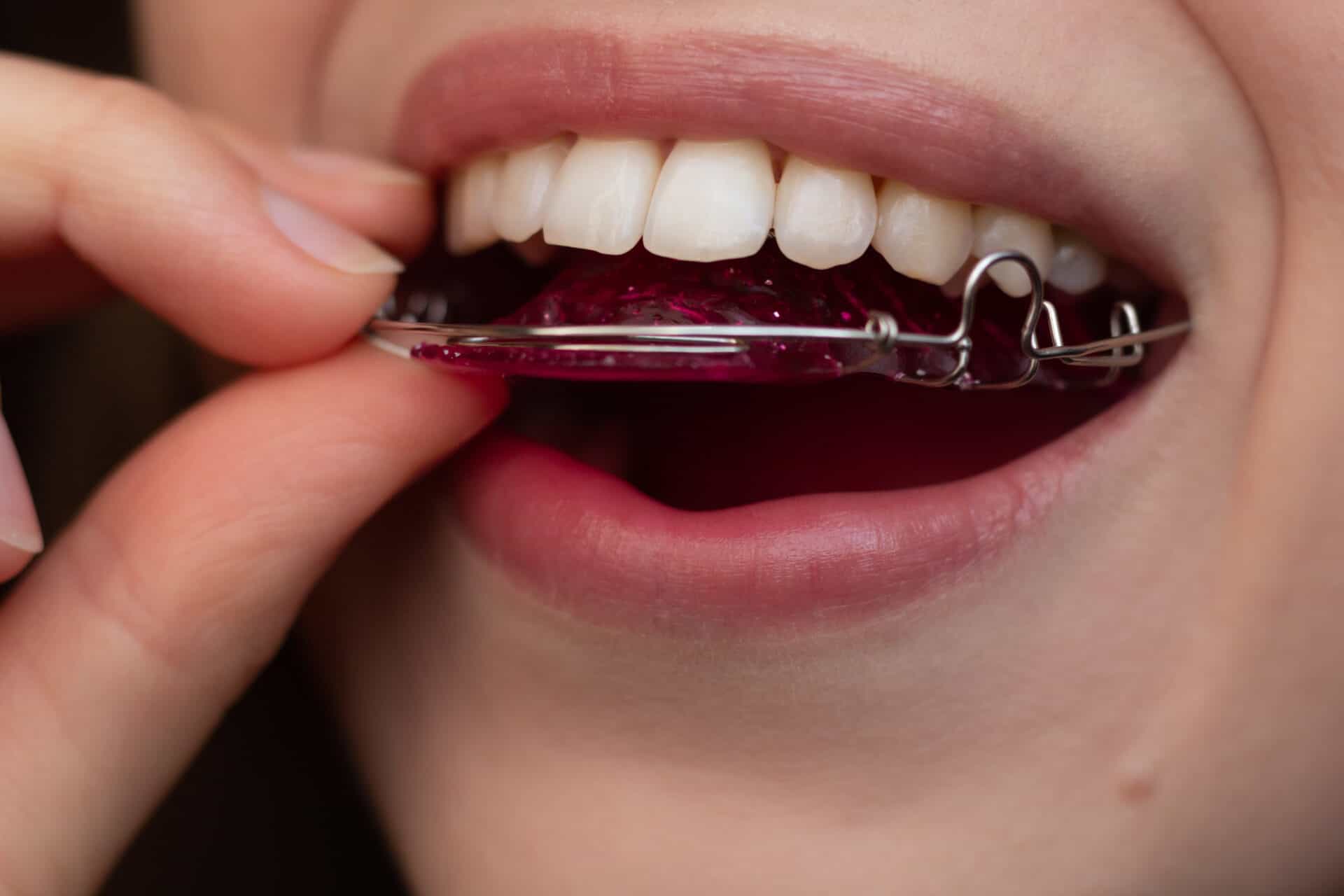
Retainers can also be a helpful tool for people who may have undergone other dental treatments, such as tooth extractions or gum surgery. After such procedures, the retainer provides additional stability, keeping the teeth in place and aiding in the healing รีเทนเนอร์ process. In some cases, retainers are designed to help with minor bite adjustments, such as correcting an overbite or underbite, by applying gentle, consistent pressure to the teeth.
Over the years, retainers have evolved in both design and material. Modern retainers are made from a variety of materials, including clear plastic, which is nearly invisible when worn. These clear retainers, such as those used in Invisalign treatment, are popular for their aesthetic appeal, as they don’t have the same noticeable metal components found in traditional retainers. This option is particularly appealing for adults who want to maintain their orthodontic results without drawing attention to the device.
Another advantage of clear retainers is their comfort. The materials used in these retainers are typically smooth and lightweight, reducing the likelihood of discomfort or irritation to the inside of the mouth. However, some individuals still prefer the more traditional wire retainers, which may offer a bit more durability and strength for long-term use.
The decision between different types of retainers often depends on factors such as personal preference, lifestyle, and the specific needs of the patient. For example, some individuals may prioritize convenience and choose removable clear retainers, while others may opt for fixed retainers to ensure that they don’t forget to wear them or to avoid the need for removal during daily activities.
It’s also worth noting that while retainers are incredibly important for maintaining the results of orthodontic treatment, they are not a substitute for proper dental care. It’s essential to continue with regular brushing, flossing, and dental check-ups to keep the teeth and gums healthy. Regular use of a retainer in conjunction with good oral hygiene will ensure that the patient enjoys long-lasting results and a beautiful smile.
Over time, as dental technology continues to advance, the design and functionality of retainers will likely improve even further, making them more comfortable, effective, and discreet. However, one thing remains clear: wearing a retainer is an essential step in completing the orthodontic journey and ensuring the lasting success of one’s treatment.